
WordPress vs Shopify is not really a question of which platform is better. It is a question of which platform fits the way your UAE business operates, sells and grows.
The platform should also support the wider digital marketing and growth strategy, including SEO, paid acquisition, tracking and conversion.
Shopify is designed around commerce and gives businesses a hosted platform for managing products, orders, payments, inventory and sales channels. WordPress is a flexible content management system, and WooCommerce adds open-source ecommerce on top of it.
I build both content-led and ecommerce websites as part of my web design services in Dubai. This guide explains how I choose between the two.
The Short Answer
Choose Shopify when ecommerce is the core of the business and you want a managed commerce platform with a simpler operational model.
Choose WordPress/WooCommerce when content, SEO, custom workflows, ownership and flexible development are especially important and you are comfortable managing hosting, updates and a more open technical stack.
For a service business that is not primarily an online store, WordPress often makes more sense than Shopify because the website is usually built around content, services, lead generation and organic search rather than checkout.
What Shopify Is
Shopify describes itself as an all-in-one commerce platform for starting, running and growing a business. It brings store management, products, inventory and commerce tools into one platform.
You can review the official Shopify platform for its current feature set.
What WordPress and WooCommerce Are
WordPress is an open-source content management system. WooCommerce is an open-source ecommerce solution built on WordPress and can turn a WordPress website into a store.
WooCommerce officially emphasizes customization and control as an open-source commerce platform. You can review the official WooCommerce overview.
WordPress vs Shopify at a Glance
| Area | WordPress / WooCommerce | Shopify |
|---|---|---|
| Best fit | Content-led sites, service businesses, flexible ecommerce | Commerce-first businesses and product stores |
| Hosting | You choose and manage hosting | Hosted platform |
| Customization | Very high; open-source code and plugin ecosystem | Strong within Shopify themes, apps and APIs |
| Maintenance | You own updates, hosting and technical stack | Core platform infrastructure is managed by Shopify |
| Content | Strong CMS and publishing flexibility | Commerce-first content features |
| Store operations | Flexible but depends on configuration | Built around products, orders and commerce workflows |
1. Ecommerce Setup
Shopify starts as an ecommerce platform. Product management, checkout and order workflows are central to the system.
WooCommerce starts with WordPress and adds ecommerce capability. This gives you more freedom over the overall site architecture but also means more decisions around hosting, plugins, theme, security and optimization.
If you mainly need a professional company website with a small shop attached, WordPress may be easier to integrate with a larger content strategy. If the entire business revolves around selling products, Shopify can provide a cleaner operational starting point.
2. Ownership and Technical Control
WooCommerce is open source, which gives the site owner and developer broad access to the code, database, hosting environment and integrations.
Shopify is a managed platform. You control your store configuration, theme and apps, but the underlying hosted commerce platform is managed by Shopify.
More control is not automatically better. It creates flexibility, but it also creates responsibility.
3. SEO
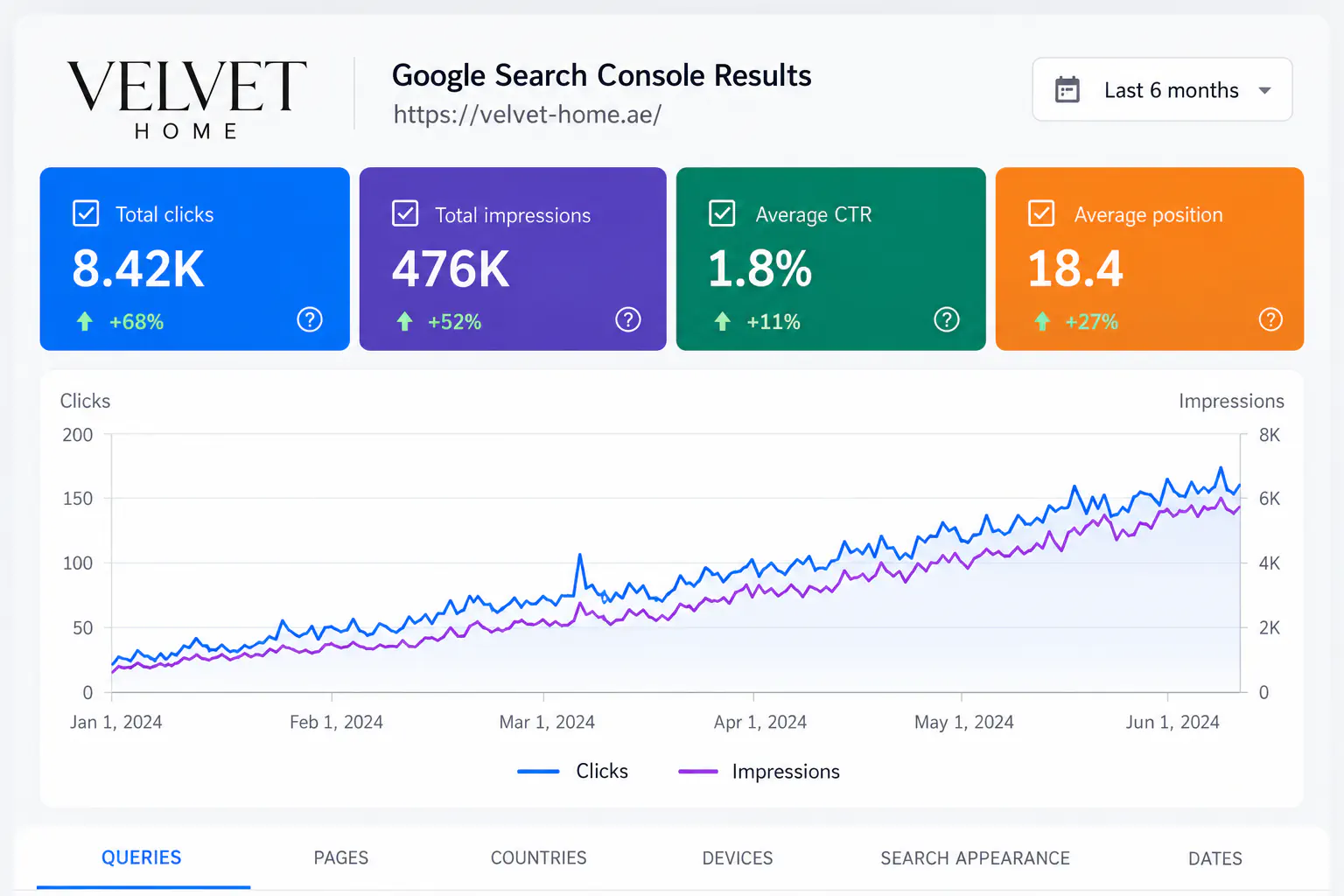
Both platforms can support strong SEO when the site architecture, content and technical implementation are good.
WordPress gives developers extensive control over content templates, plugins, internal linking and technical configuration. Shopify provides built-in SEO functionality and can rank well, but some technical structures are more opinionated because the platform manages more of the system.
The platform does not replace an SEO strategy. Search performance still depends on useful content, crawlability, internal links, page experience, authority and search intent.
For a broader SEO plan, see my SEO services in Dubai.
4. Content Marketing
WordPress began as a publishing platform and remains especially strong for content-heavy websites, service pages, resources, editorial structures and custom content types.
Shopify supports pages and blogging, but its main product is commerce. If your acquisition strategy depends heavily on a complex content library, WordPress may give you more flexibility.
5. Apps, Plugins and Integrations
Both ecosystems are large.
With Shopify, many features are added through Shopify apps. With WordPress/WooCommerce, plugins and custom development can extend almost every part of the site.
Before choosing a platform, list the integrations you actually need:
- Payment gateways
- Shipping providers
- ERP or accounting
- CRM
- Email marketing
- Product feeds
- Analytics
- Inventory systems
- Marketplace integrations
The best platform is the one that supports your critical workflow without creating unnecessary complexity.
6. Maintenance and Security
Shopify handles the core hosted platform infrastructure, which can reduce the amount of server and software maintenance a merchant needs to manage.
With WordPress/WooCommerce, you or your technical provider are responsible for hosting, plugin updates, backups, caching and security configuration.
That extra responsibility can be worth it when the business needs deeper control, but it should be included in the real operating cost.
7. Performance
Both platforms can produce fast websites, and both can produce slow ones when themes, apps, plugins, images and third-party scripts are poorly managed.
On WordPress, hosting quality and technical optimization have a large effect. On Shopify, the core hosting is managed, but heavy themes and third-party apps can still affect frontend performance.
Performance should be tested on the actual pages customers use, especially mobile product and landing pages.
8. Arabic and RTL
For UAE businesses, Arabic is an important consideration.
WordPress can support fully customized Arabic and English experiences with translation plugins or custom multilingual architecture. Shopify can also support multiple languages, but theme behavior, translations and app compatibility need to be tested carefully.
For either platform, Arabic needs more than translation. Typography, direction, icons, navigation, checkout and mobile layouts should be tested in RTL.
9. Custom Business Logic
If the website needs unusual booking rules, role-based dashboards, complex pricing, custom portals or software-like workflows, the project may move beyond standard ecommerce.
WordPress can be extended heavily, but there is a point where a custom application or dedicated backend may be cleaner than forcing complex software into a CMS.
For software-style products, compare the website scope with an app development approach.
When I Would Choose Shopify
- The business is primarily an online store
- The team wants a managed platform
- Fast product and store operations matter more than deep CMS customization
- Standard commerce workflows cover most requirements
- The business prefers apps and platform tools over managing a custom server stack
When I Would Choose WordPress / WooCommerce
- The website is content and SEO heavy
- The business needs deep design or functional customization
- Service pages and lead generation are as important as ecommerce
- You need control over hosting, code and data architecture
- The store has custom integrations or workflows
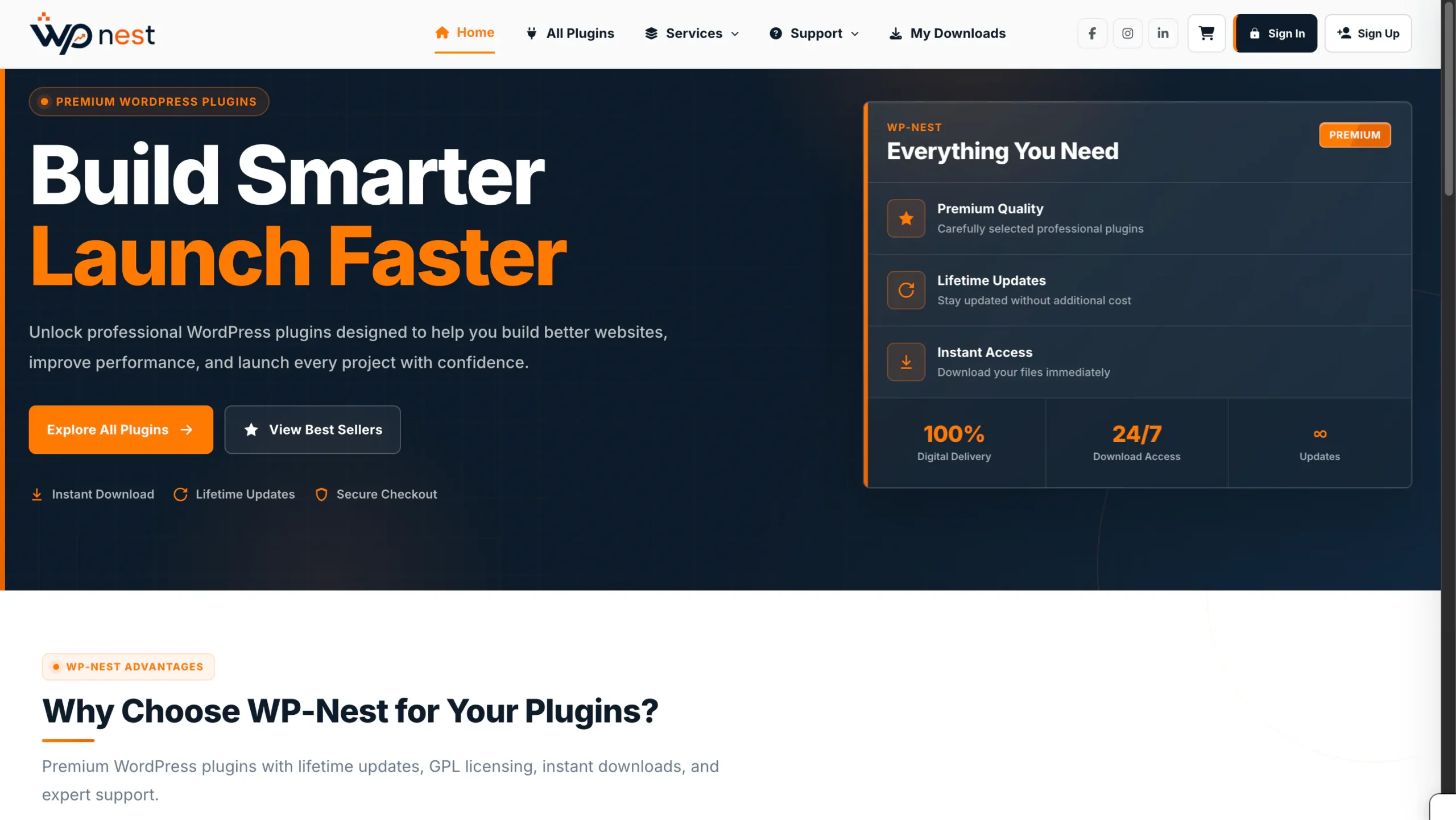
The featured image on this article comes from WP-NEST, a WordPress marketplace project I developed. It demonstrates the kind of custom branded ecommerce experience that can be built on the WordPress ecosystem.
What About Cost?
Compare total cost of ownership rather than only the starting price.
For WordPress/WooCommerce, include development, hosting, premium plugins, maintenance and security. For Shopify, include the plan, apps, theme/custom development and any platform or payment-related costs relevant to your setup.
For broader project budgeting, see my guide to website cost in Dubai.
How to Choose for Your UAE Business
- Decide whether the website is commerce-first or content/lead-first.
- List required payment, shipping and business integrations.
- Define Arabic and English requirements.
- Estimate how much custom development is needed.
- Decide who will own maintenance.
- Consider SEO and content plans for the next two to three years.
- Choose based on operating model, not platform popularity.
Final Takeaway
Shopify is an excellent commerce platform when a business wants a managed store-first ecosystem. WordPress/WooCommerce is a strong choice when flexibility, content, ownership and custom development are central to the project.
I work with both because the correct platform depends on the business, not on a developer’s favorite technology.
If WordPress is the likely platform, read my WordPress Developer Dubai guide. If you are planning a new UAE website or store, review my web design services in Dubai or contact me with the project requirements.

Ali Alkhatib
Informatics Engineer and digital professional working across web development, SEO, Flutter applications and digital growth in Dubai, UAE.